Safety

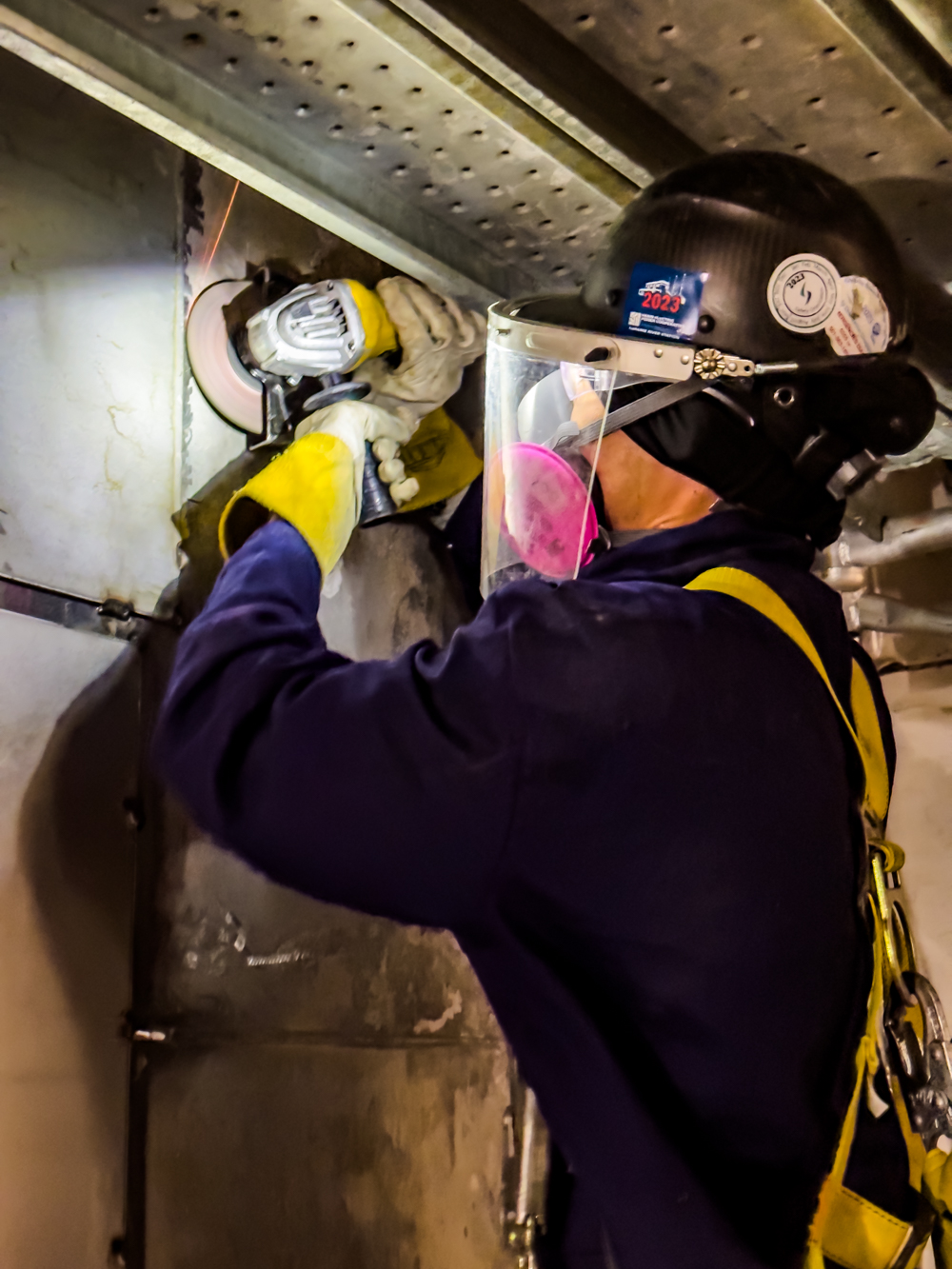
Safety isn’t just a policy — it’s part of our culture. Through comprehensive health and safety programs grounded in industry best practices, we’ve maintained an EMR of 0.7 or lower for five straight years.

At Liquidmetal Industrial Solutions, safety is built into everything we do.

Core Safety Rules

At Liquidmetal Industrial Solutions our safety culture is built on:
  • Injury Prevention – Protecting every employee from harm.
  • Self-Awareness – Acting responsibly to safeguard others.
  • Environmental Cleanliness – Maintaining workspaces that are clean and hazard-free.
 
Our highly experienced Inspectors bring decades of field expertise in complex systems such as HRSGs, circulating fluidized bed boilers, and pressure vessels—supporting plants with trusted insight into equipment built by manufacturers like Babcock & Wilcox, Foster Wheeler, and IHI Power Services.

Supporting Principles

  • All accidents are preventable, and hazards are controllable.
  • Safety is a shared responsibility and a condition of employment.
  • Employees are trained before performing any task.
  • Every location maintains a Safety Management Plan equal in priority to production and quality.
  • Routine audits ensure ongoing safety performance.

Toolbox Talks

Toolbox Talks are short, focused safety meetings held at the start of each shift. They’re led on-site by a foreman, supervisor, or safety coordinator and are designed to reinforce safe work habits, discuss job-specific hazards, and ensure everyone understands the risks involved in that day’s tasks.

Common Topics Include

  • Use and inspection of PPE (Personal Protective Equipment)
  • Safe handling of tools and equipment
  • Fire prevention and emergency planning
  • Working in extreme weather conditions
  • Proper lifting and body mechanics
  • Identifying site-specific hazards

These informal meetings typically last between 5 and 20 minutes, and are tailored to the current job scope and site conditions. Active participation is encouraged—employee input often leads to better hazard recognition and safer practices on site.

Key Points

  • Attendance is documented for compliance and training records
  • Toolbox Talks support ongoing safety awareness between formal training sessions
  • These sessions help keep safety visible and actionable—every shift, every job site

Job Safety Analysis (JSA) & Pre-Task Planning

  • Attendance is documented for compliance and training records
  • Toolbox Talks support ongoing safety awareness between formal training sessions
  • These sessions help keep safety visible and actionable—every shift, every job site


Each workday begins with a Job Safety Analysis (JSA)—a physical, written document completed by a supervisor, foreman, or lead worker. The JSA outlines all major tasks planned for the day, the potential hazards involved, and the safe methods for completing each activity.

The JSA Includes:

  • Date, time, and work location
  • Description of tasks and steps involved
  • Identified hazards and possible failure points
  • Safety procedures and controls
  • A checklist of required PPE and safety equipment

How It Works:

  • Before any work begins, the crew reviews the JSA together.
  • Each team member reads and signs the document to confirm understanding.
  • The supervisor’s signature certifies that the JSA has been reviewed and approved.
  • If conditions change during the job, work stops immediately until the JSA is updated, re-reviewed, and signed again by the crew.

Annual OSHA Safety Training

In addition to daily on-site safety protocols, all employees participate in annual OSHA-required safety training. These sessions cover regulatory standards, new industry practices, and critical safety procedures—ensuring our workforce remains compliant, informed, and prepared year-round.

Let's Work Together

If you have questions or specific needs, please contact us at the link below.
A representative will contact you shortly.

JOIN THE TEAM

Let’s build something stronger, together.